
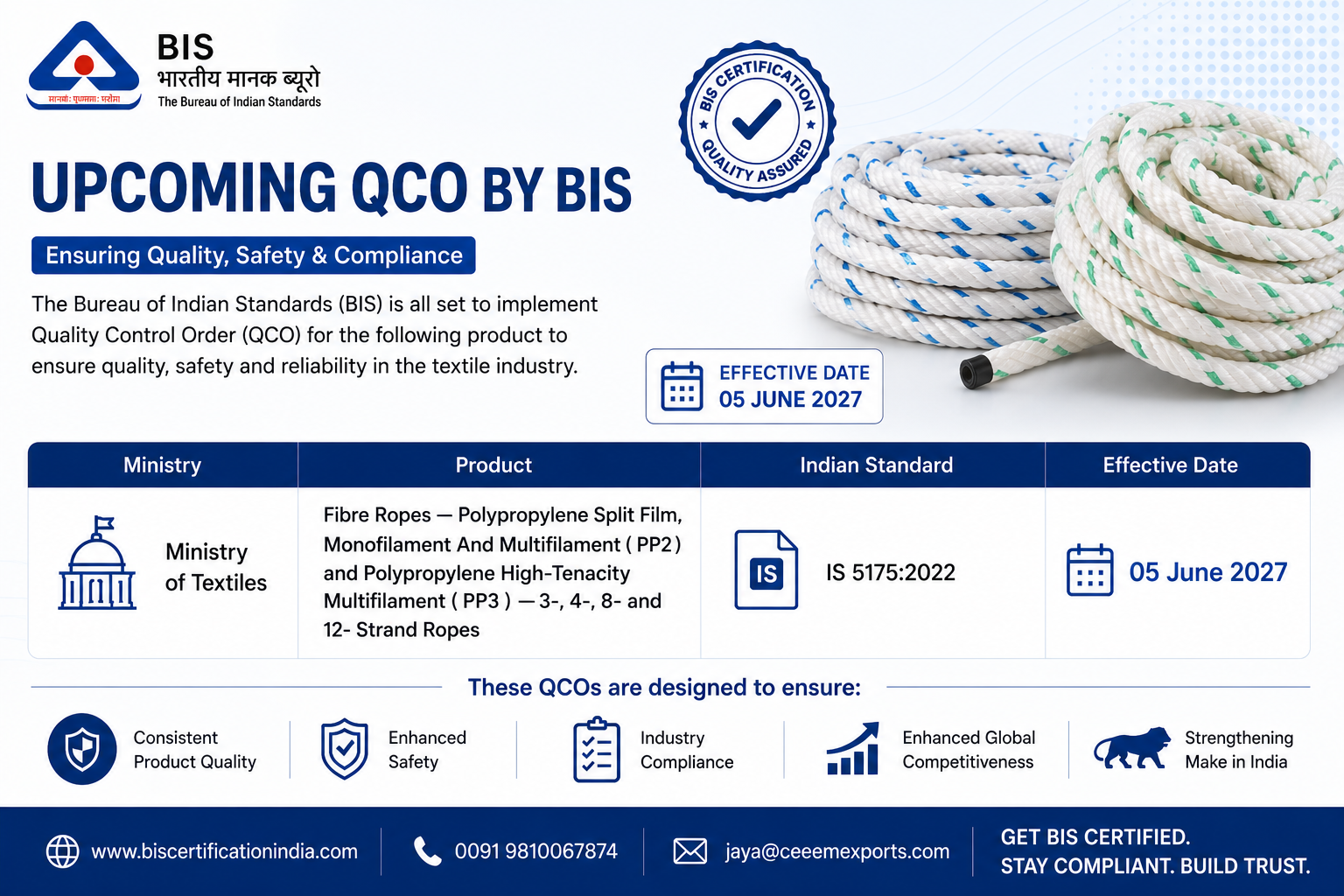
The Government of India, through the Ministry of Textiles, has notified a new Quality Control Order (QCO) making BIS certification mandatory for Fibre Ropes — Polypropylene Split Film, Monofilament and Multifilament (PP2) and Polypropylene High...
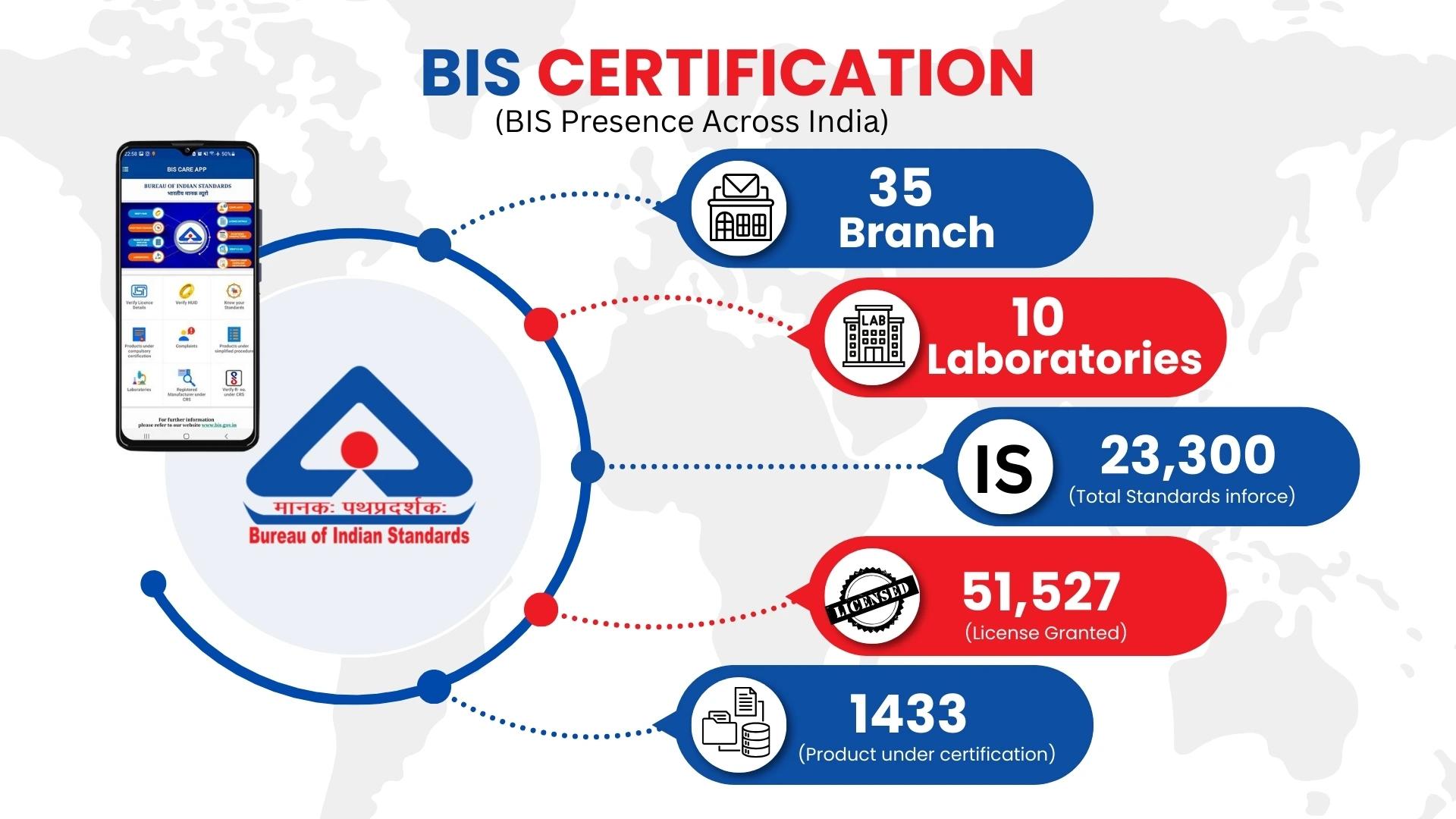
In India, product quality and safety are governed by the Bureau of Indian Standards, commonly known as BIS. BIS certification ensures that products sold in the Indian market meet prescribed quality, safety, and reliability standards. Manufacturers an...

The Government of India, through the Department for Promotion of Industry and Internal Trade (DPIIT), has announced upcoming Quality Control Orders (QCOs) for various aluminium and aluminium alloy products. These regulations will make BIS certificati...
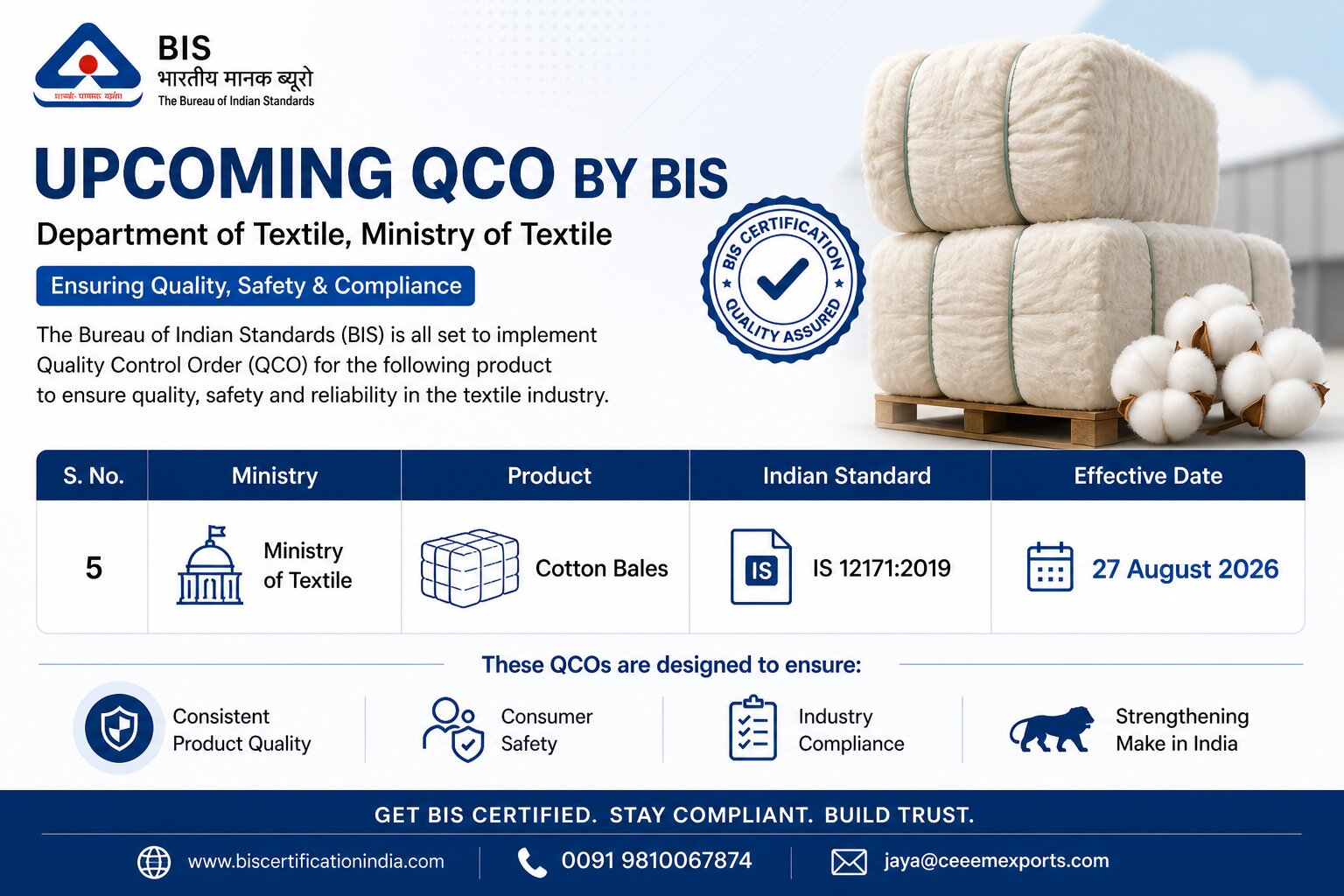
The Government of India has introduced a new Quality Control Order (QCO) for Cotton Bales under the Ministry of Textiles, making BIS certification mandatory as per IS 12171:2019. This regulation will come into effect from 27 August 2026.
The objec...

The Government of India, through the Bureau of Indian Standards (BIS), has announced a new Quality Control Order (QCO) under the Ministry of Electronics and Information Technology for Digital Television Receivers for Satellite Broadcast Transmission....

The Government of India, through the Bureau of Indian Standards (BIS), is set to implement new Quality Control Orders (QCOs) for key chemical products under the Department of Chemicals and Petrochemicals. These regulations will make BIS certification...
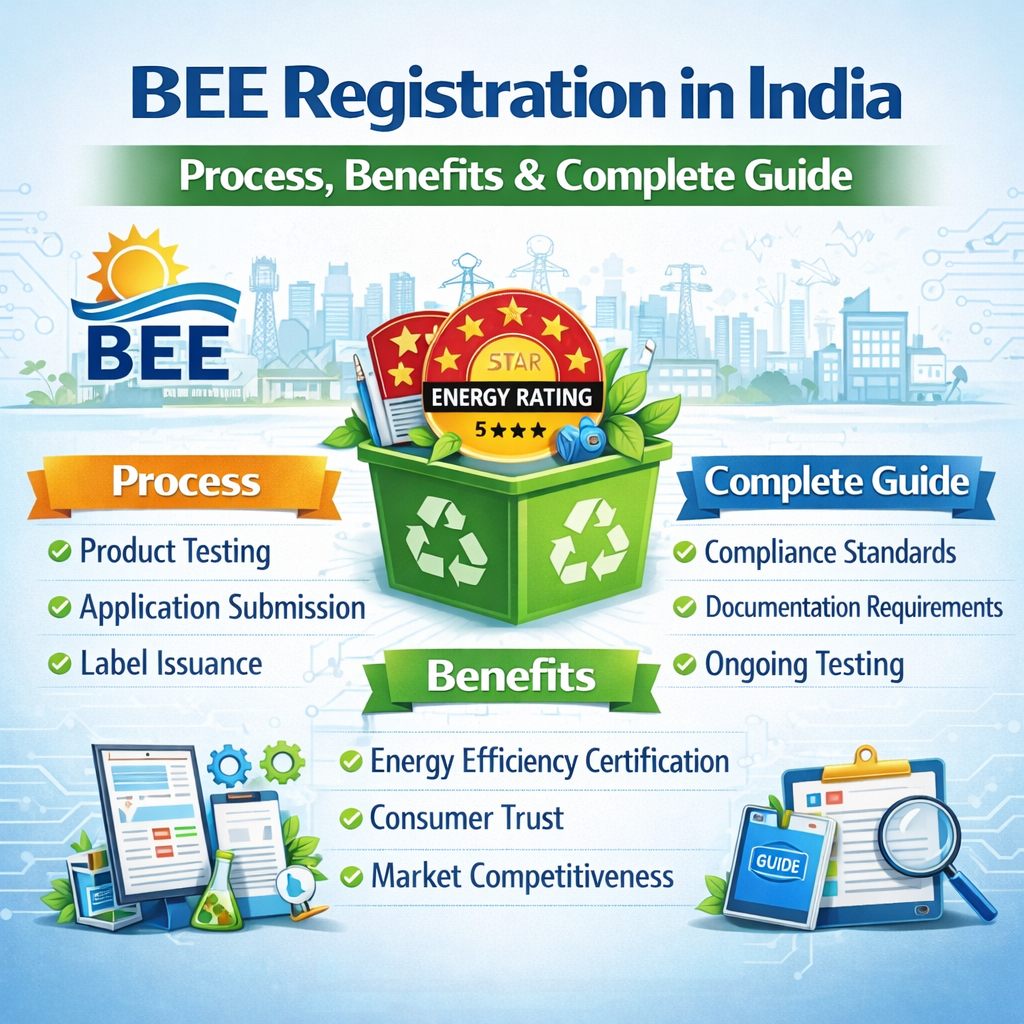
BEE Registration in India: Process, Benefits & Complete Guide
With rising energy consumption and growing environmental concerns, energy efficiency has become a top priority in India. To promote energy-saving practices, the Government of India ...
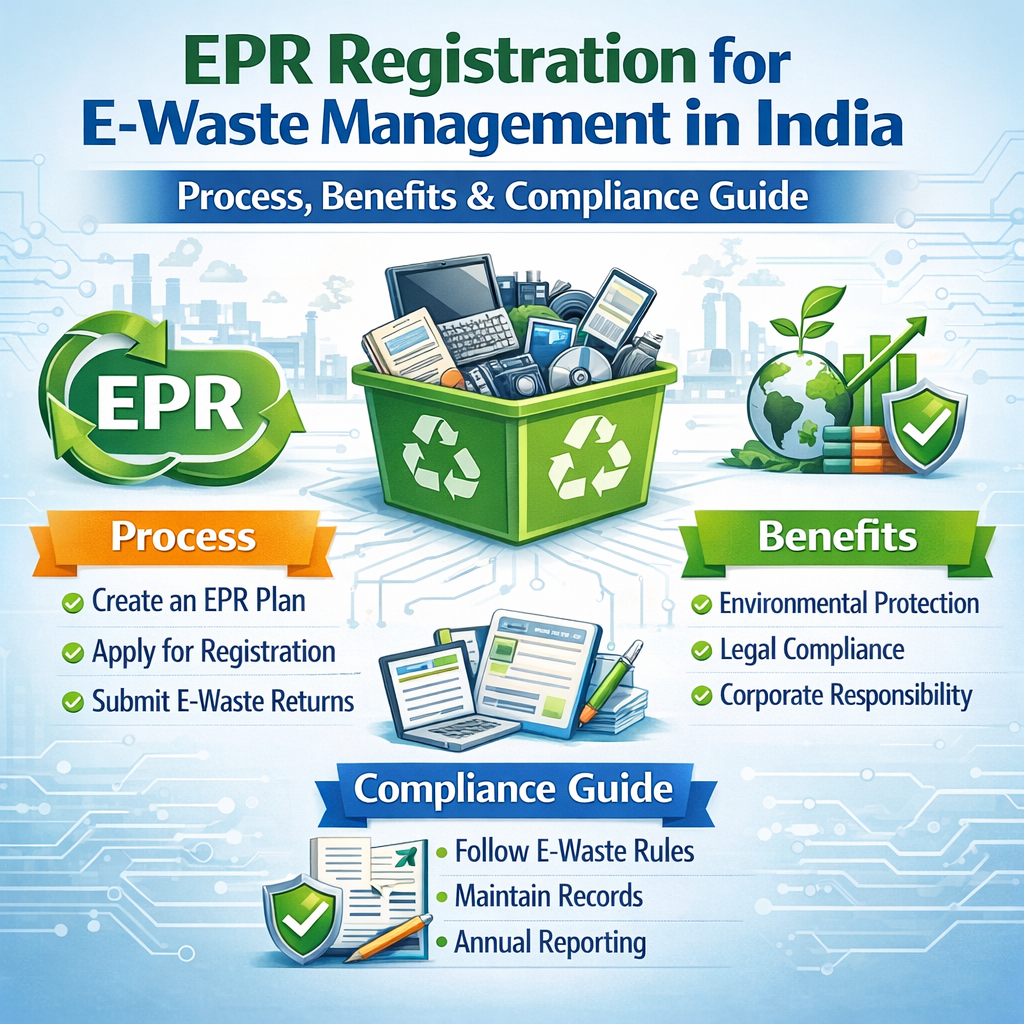
EPR Registration for E-Waste Management in India: Process, Benefits & Compliance Guide
With the rapid growth of electronics and digital devices, e-waste (electronic waste) has become one of the fastest-growing waste streams in the world. To ad...
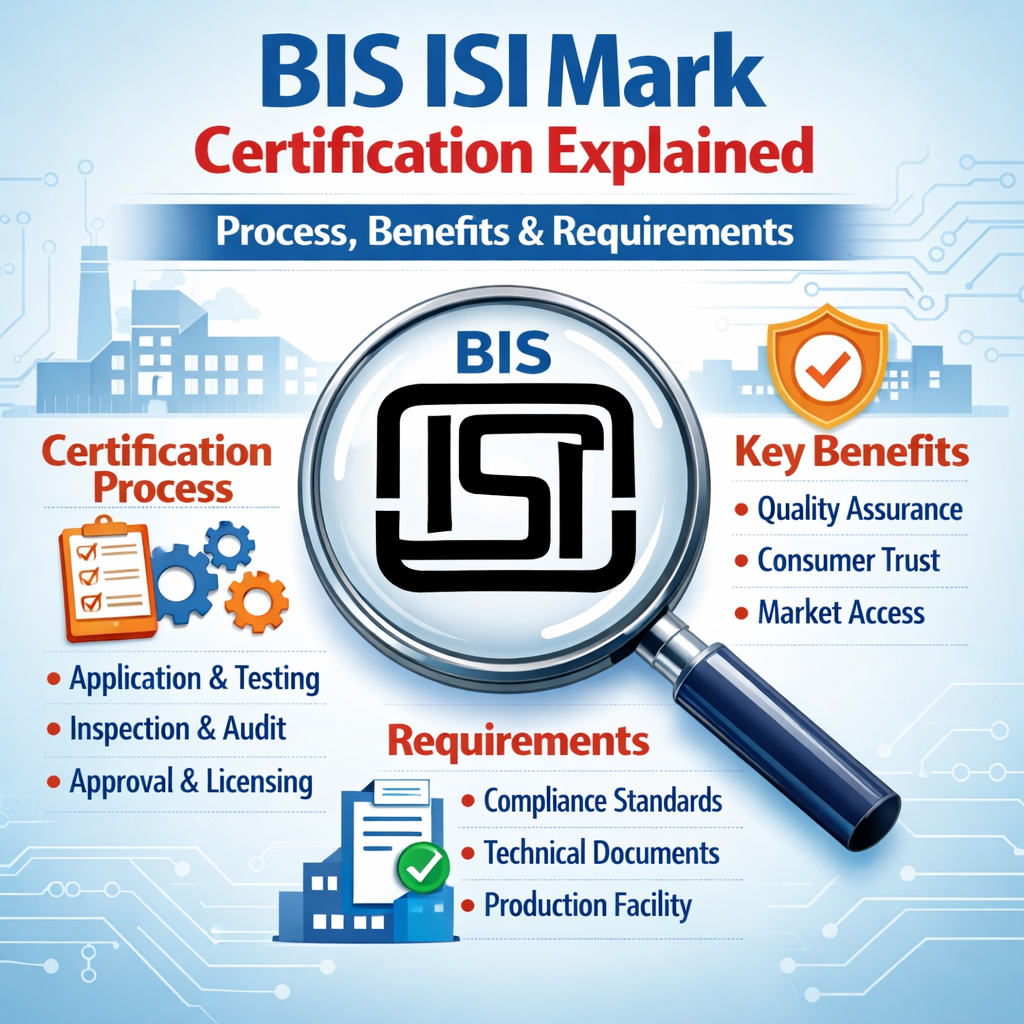
BIS ISI Mark Certification Explained: Process, Benefits & Requirements
In today’s competitive and quality-driven market, ensuring product safety and compliance is not just a regulatory requirement—it’s a business necessity. O...